

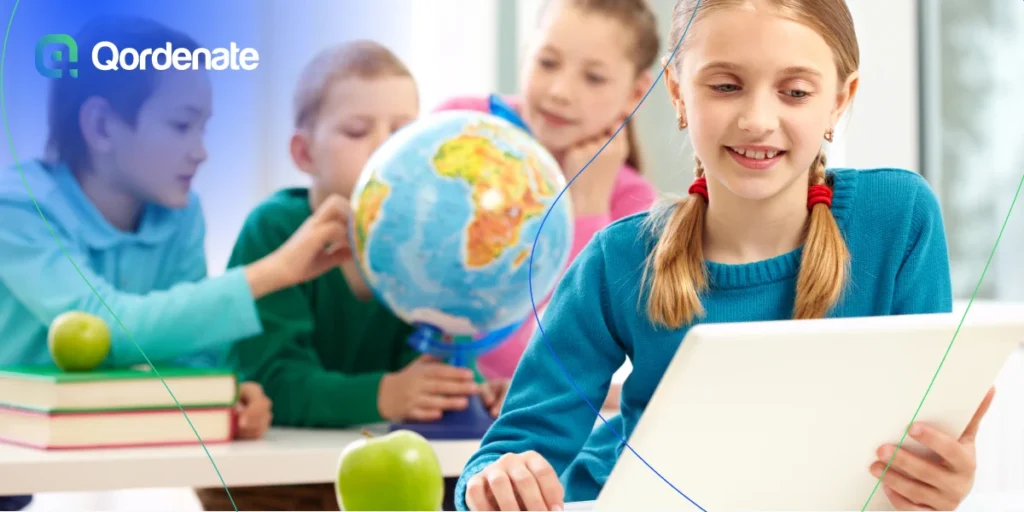
Education is becoming increasingly global. Universities welcome international students, schools serve multilingual families, online learning platforms connect teachers and learners across borders, and educational institutions collaborate with partners around the world.
But when students, teachers, administrators, researchers, and families speak different languages, communication can become a barrier to learning.
A multilingual education platform helps educational institutions create more inclusive and accessible communication by enabling participants to speak, listen, read, and collaborate across languages in real time.
What Is a Multilingual Education Platform?
A multilingual education platform is a digital solution designed to support communication and collaboration between people who speak different languages.
Instead of requiring every participant to communicate in one dominant language, a multilingual education platform can provide communication support directly within the learning environment.
Key capabilities of Qordenate include:
· Real-time voice translation.
· Multilingual meeting chat.
· Universal captions.
· Voicebridge.
· Collaborative whiteboard.
· Webinars for international audiences.
· AI-generated meeting summaries.
How Multilingual Communication Platforms Support Education
A multilingual communication platform for education helps participants communicate across languages while supporting teaching, collaboration, content creation, and learning.
A student can participate in a discussion without being limited by their language proficiency. A teacher can communicate with learners from different countries. A university can host international events without requiring every attendee to communicate in the same language.
The goal is not simply to translate words. It is to make learning, participation, and collaboration more accessible.
Real-Time Translation for Education and Virtual Classrooms
Real-time translation can help students and educators communicate naturally during online classes, lectures, workshops, and academic discussions.
With Real-time Voice Translation, participants can speak in their preferred language while other attendees hear the translated version in theirs.
This can support:
· Multilingual virtual classrooms.
· International lectures.
· Online workshops.
· Cross-border training programs.
Qordenate supports real-time translation across 33 languages. For education institutions serving international communities, real-time translation for education can help reduce the need for participants to mentally translate every discussion.
VoiceBridge: Supporting Accessible Education
Every learner does not communicate in the same way. VoiceBridge enables participants to type their contributions directly into the meeting interface.
The text is then converted into live spoken audio in each listener’s preferred language.
This can help create more inclusive learning environments where students can participate regardless of how they communicate.
Accessibility and Inclusion are particularly important in education because access to communication directly affects access to learning. An inclusive education environment should not exclude students because of language, communication preferences, or accessibility requirements.
Multilingual Webinars for Education and International Admissions
Educational institutions regularly host webinars for audiences across countries and time zones.
Common examples include:
· International admissions webinars.
· University open days.
· Student orientation sessions.
· Academic conferences.
A multilingual webinar platform can help institutions communicate with international audiences through real-time voice translation, multilingual chat, and universal captions. This can make it easier for universities and education organizations to reach students, families, and professionals who speak different languages.
Collaborative Whiteboards for Virtual Learning
Virtual education often requires more than a teacher speaking while students listen.
Teachers may need to explain concepts visually, draw diagrams, brainstorm ideas, solve problems, or work through complex topics with students.
A collaborative whiteboard can support:
· Visual explanations.
· Diagram creation.
· Collaborative problem-solving.
· Remote workshops.
For multilingual classrooms, a whiteboard can also reduce dependence on spoken language alone. Students can follow visual explanations while participating through translated voice, chat, or captions.
This makes collaborative whiteboarding particularly useful for subjects where visual communication is important, including mathematics, science, design, engineering, business, and technology.
Podcast and Educational Content Creation
Education institutions increasingly create digital content beyond traditional classrooms.
Universities, instructors, and education platforms may produce:
· Educational podcasts.
· Expert interviews.
· Student interviews.
· Research conversations.
A browser-based recording environment can help educators and institutions create educational content remotely without requiring complex production setups. Recorded conversations can then be used for online courses, student resources, public education, or institutional content.
Supporting International Students Through Multilingual Education Technology
International students may face language challenges beyond the classroom.
They may need to participate in:
· Orientation sessions.
· Academic advising.
· Career counseling.
· Financial aid discussions.
Multilingual education technology can help institutions communicate important information more clearly and give international students more confidence when asking questions or participating in discussions. This can contribute to a more inclusive student experience from enrollment through graduation.
International Research and Academic Collaboration
Research increasingly depends on global collaboration. Universities and research institutions may work with partners across countries on projects involving science, technology, healthcare, social sciences, and other fields.
These collaborations often involve complex discussions where clarity is essential.
Real-time voice translation, multilingual captions, multilingual chat, screen sharing, collaborative whiteboards, and AI meeting summaries can help international researchers collaborate while reducing language-related communication barriers.
For academic institutions working across borders, multilingual collaboration in education can support more efficient research communication.
What Education Institutions Experience with Multilingual Collaboration
Education institutions using multilingual collaboration tools can support:
· Improved communication with international families.
· Better collaboration between global faculty teams.
· Reduced communication barriers.
· More effective international partnerships.
When students and educators can focus on learning and discussion rather than constantly translating, the entire classroom and meeting experience can become more inclusive.
Make Education More Inclusive Across Languages
Education should not be limited by the language a student speaks, the country a teacher lives in, or the location of an institution.
From virtual classrooms and international student support to parent-teacher meetings, academic research, faculty collaboration, webinars, digital content creation, and global education events, multilingual communication can help more people participate, understand, and contribute.
Start your first multilingual meeting free or talk to our team to explore how Qordenate can support multilingual collaboration across your education institution.
Frequently Asked Questions
How does real-time translation support virtual classrooms?
Real-time translation allows students and educators to communicate across languages during online classes, lectures, workshops, and discussions. Participants can speak in their preferred language while others receive translated communication.
Can multilingual education platforms improve accessibility?
Features such as translated captions, multilingual chat, and alternative communication tools can help make meetings and virtual learning environments more accessible to participants with different language and communication needs.
Is Qordenate secure for education institutions?
Qordenate is designed to support secure communication for organizations that require enterprise-grade collaboration tools. Education institutions should evaluate the platform’s security, access controls, deployment options, and compliance requirements based on their specific needs.
Can students speak their own language during a virtual class?
With real-time voice translation, students can speak in their preferred language while other participants receive translated audio in their selected language.